There is no shortage of options for commercial and residential window tint to match the unique needs of each client — but sorting through the options solo can quickly become overwhelming.
When determining what level of window tint is right for your space, you'll want to consider your possible needs for the space. Are you wanting to reduce glare? Increase privacy? Cool down the space without cranking the AC more? All of these factors can play a part in which tint solution is right for you.
Visible Light Transmission (VLT) measures how much natural light is able to pass through the window film. A higher VLT percentage (50–70%) means more natural light passes through the film, allowing for a lighter space. A lower VLT percentage (20–35%) means less natural light passes through, resulting in a darker interior space.
Tints come in a variety of VLT options — if you are worried about your space becoming too dark, we recommend going with a medium to high VLT tint option.
Tint options can vary in what level of VLT they offer for each product, so it's important to review and discuss the options available with a professional to ensure you're selecting the right product for your space!
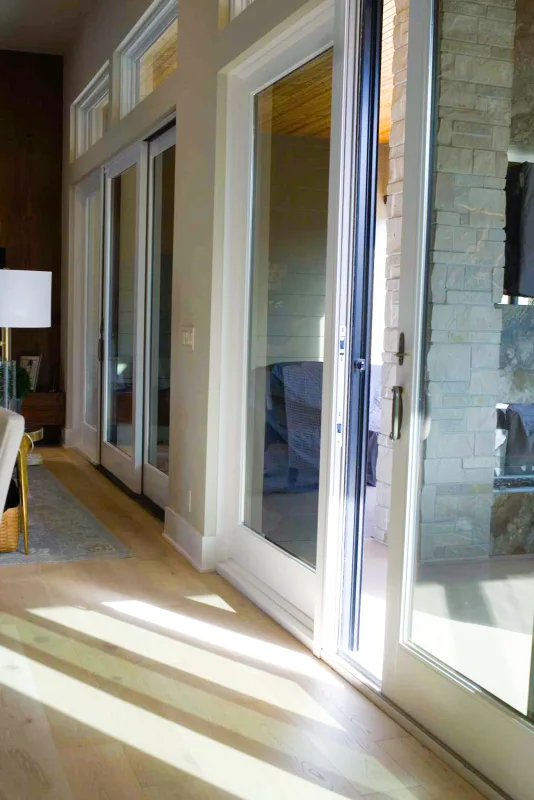
Some factors you'll want to consider before selecting a window film for your space are:
We recommend considering a medium to dark or reflective window film option to help combat the direct sun that south- and west-facing windows get hit with.
That being said, putting a darker window film on north-facing windows can quickly make the room dark and gloomy, so you'll want to go with a lighter 50–70% VLT tint option for these spaces.
Squinting at your computer screen or TV while the sun beats on it is fun for no one — and we've all been there.
Technology isn't going anywhere, but introducing medium to dark level window film to your area can help combat glare from natural light entering the space, reducing eyestrain for the people in the space.
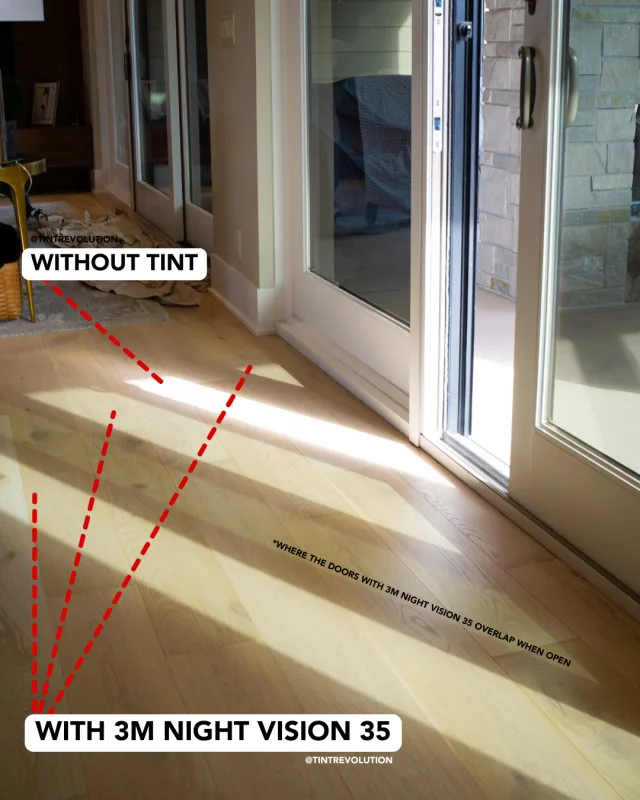
While the level of tint can have some impact on heat and energy savings, what you really want to find here is a window film with ceramic.
The tint level can help shade the space, but the ceramic technology found in some window films can better help combat infrared heat.
This means even a lighter window film closer to 50–70% VLT paired with ceramic can still effectively cool down the room — making for a more comfortable, well-lit space while you save money on energy costs.
A darker window film (20% VLT) or reflective film can be a great option to add an additional layer of privacy.
It is important to note, though, that even darker window films can still allow people outside to see in through the window when the interior lighting is brighter than the outside lighting.
Security film is another great film that adds additional security to a space, with many schools, churches, and office spaces turning to this option. The window film is designed to slow down and deter intruders, and the glass spiderwebs in place when struck rather than allowing the glass pieces to fall on the ground and create an additional hazard.
Use this quick guide to match your goals to a window film type:
| Your Goal | Light Tint (50–70% VLT) |
Medium–Dark Tint (20–35% VLT) |
Ceramic* | Security Film |
|---|---|---|---|---|
| Glare Reduction | Recommended | |||
| Privacy | Recommended | |||
| Security | Recommended | |||
| Heat / Energy Savings | Recommended | |||
| South- / West-Facing Windows | Recommended | |||
| North-Facing Windows | Recommended | |||
| Maximize Natural Light | Recommended |
*Ceramic options are available in both light and dark tint.
Selecting window film for your space doesn't have to be confusing — we're here to help!
Our knowledgeable customer service team will work directly with you to find the perfect window film option to match your needs. Our Nebraska-based team will provide you with a free quote and coordinate a certified install team to come to your location and complete the installation — mess- and hassle-free!
Reach out to us today and ask how we can help transform your space!

©Red Barn Media Group 2026
